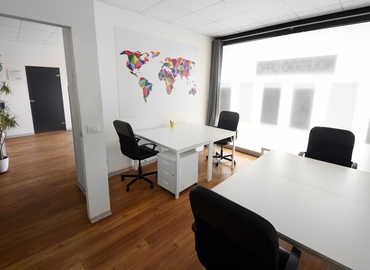
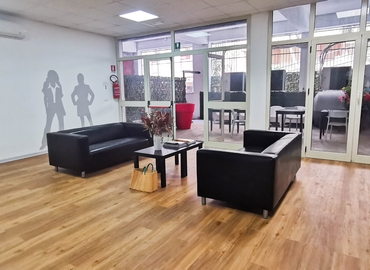
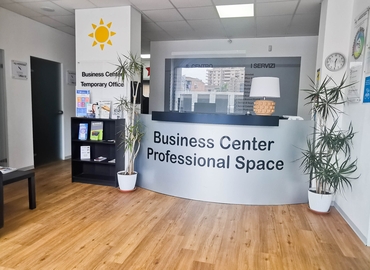
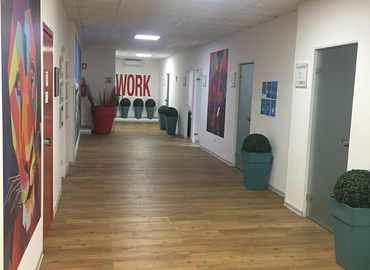
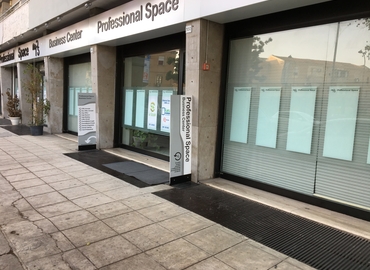
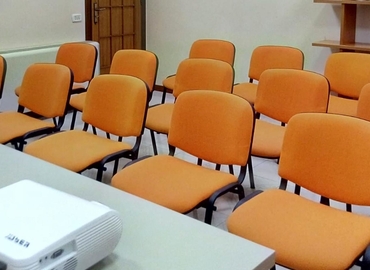
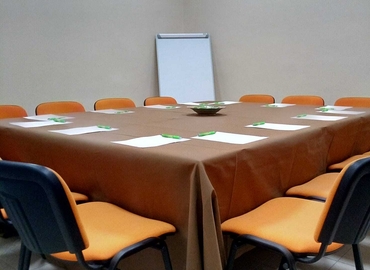
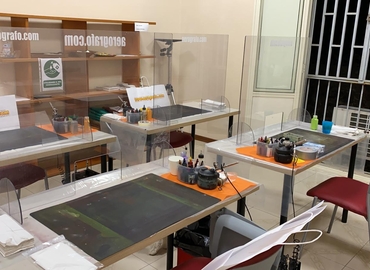
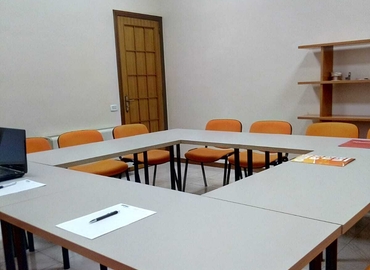
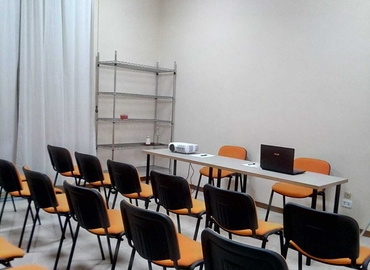
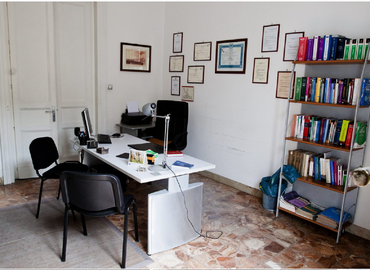
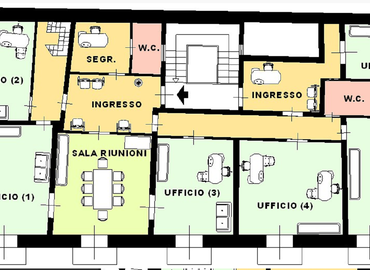
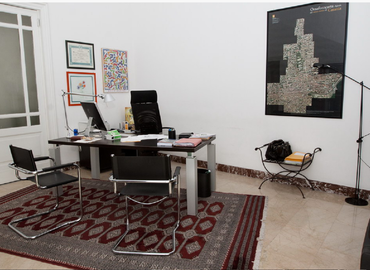
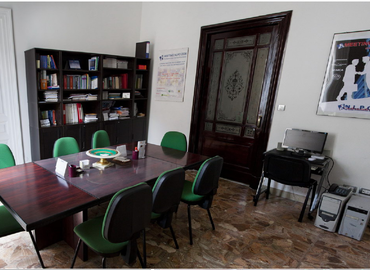
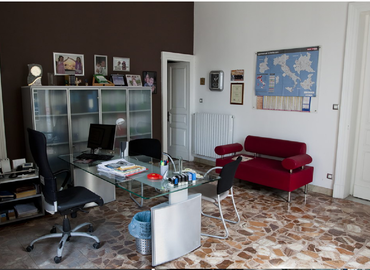


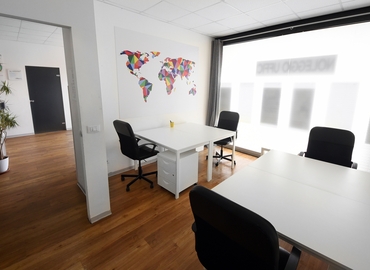
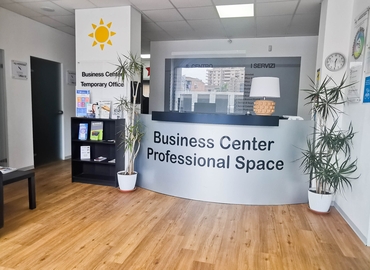
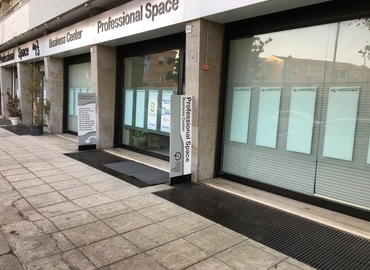
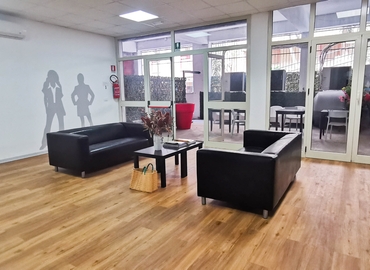
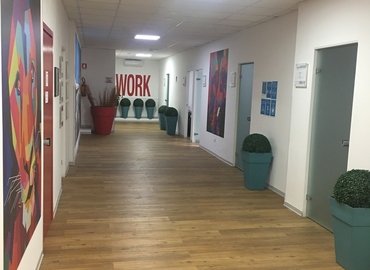


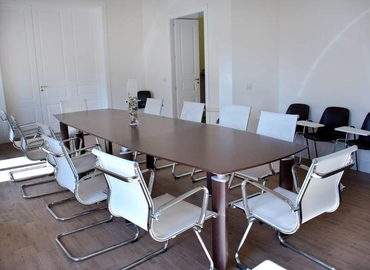
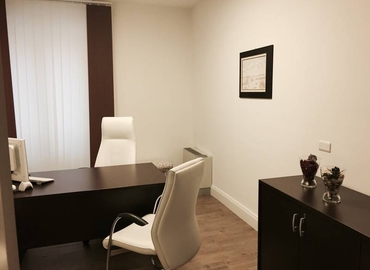
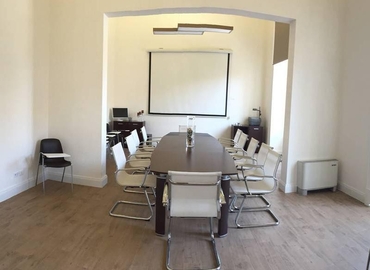
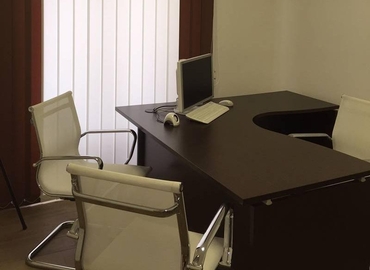
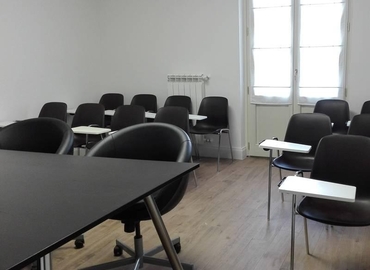
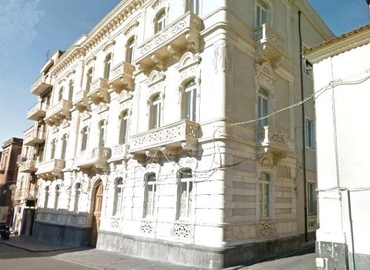
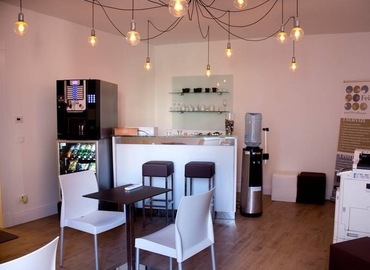
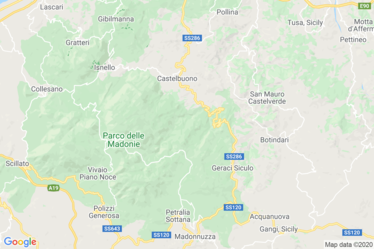
The commercial property market in Sicily is gradually adopting recent global trends. Taking into account an unstable economic situation in the region, many companies are happy to adopt some changes and welcome the coworking trend in Sicily with inspiration. Coworking spaces in Sicily can be found only in the larger cities like Palermo, Catania and Milazzo, etc. This type of office rental is extremely popular among a certain pool of tenants:
Recent graduates who are looking for an affordable space to work on their ideas and create a business. Coworking in Sicily is a real business tool for young companies and enthusiasts as it’s a perfect way to save money on office rent and get involved with other professionals. Due to tradition, networking in Sicily is an essential tool for business growth.
Recent graduates who are looking for an affordable space to work on their ideas and create a business. Coworking in Sicily is a real business tool for young companies and enthusiasts as it’s a perfect way to save money on office rent and get involved with other professionals. Due to tradition, networking in Sicily is an essential tool for business growth.
Recent graduates who are looking for an affordable space to work on their ideas and create a business. Coworking in Sicily is a real business tool for young companies and enthusiasts as it’s a perfect way to save money on office rent and get involved with other professionals. Due to tradition, networking in Sicily is an essential tool for business growth.
Recent graduates who are looking for an affordable space to work on their ideas and create a business. Coworking in Sicily is a real business tool for young companies and enthusiasts as it’s a perfect way to save money on office rent and get involved with other professionals. Due to tradition, networking in Sicily is an essential tool for business growth.
Italy and especially Sicily is a popular getaway for many European tourists. Many people wish to explore the island and enjoy its warm climate. Some even come to spend their winters here. Those visitors who wish to continue working during their trip can often be spotted in coworking offices in Sicily.
Italy and especially Sicily is a popular getaway for many European tourists. Many people wish to explore the island and enjoy its warm climate. Some even come to spend their winters here. Those visitors who wish to continue working during their trip can often be spotted in coworking offices in Sicily.
Italy and especially Sicily is a popular getaway for many European tourists. Many people wish to explore the island and enjoy its warm climate. Some even come to spend their winters here. Those visitors who wish to continue working during their trip can often be spotted in coworking offices in Sicily.
Italy and especially Sicily is a popular getaway for many European tourists. Many people wish to explore the island and enjoy its warm climate. Some even come to spend their winters here. Those visitors who wish to continue working during their trip can often be spotted in coworking offices in Sicily.