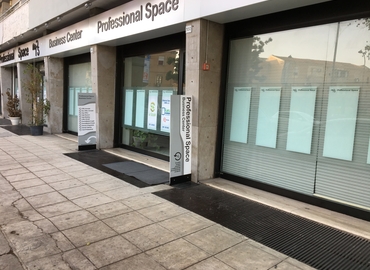
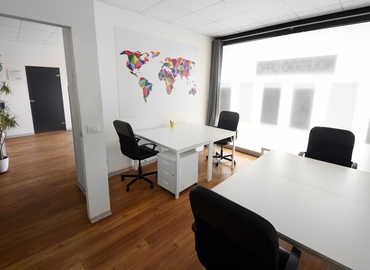
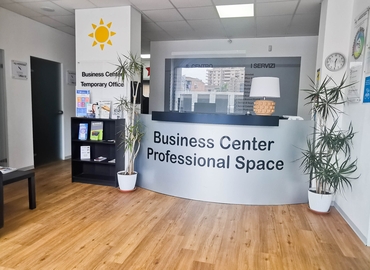
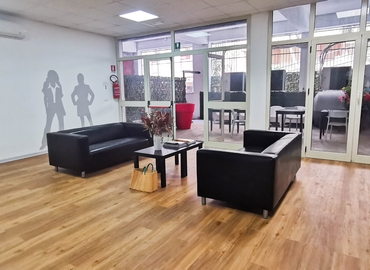
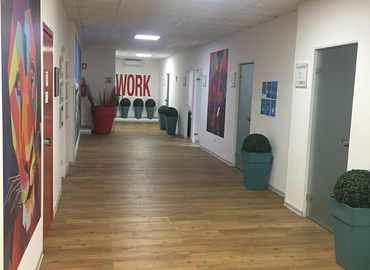


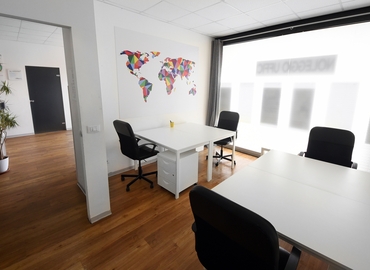
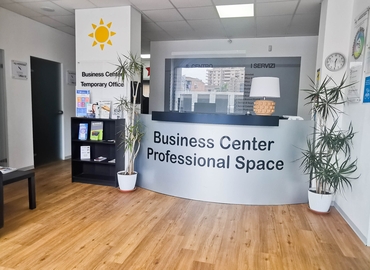
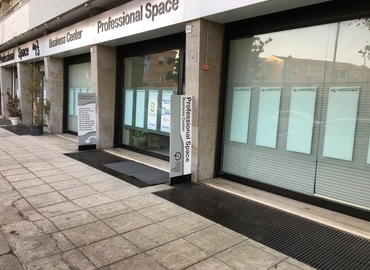
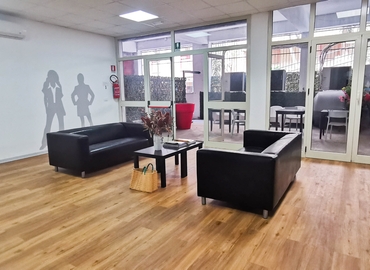
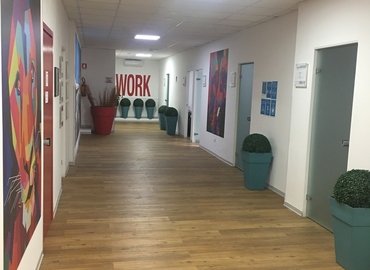


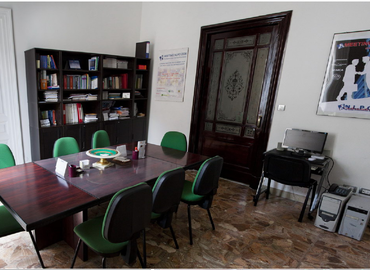
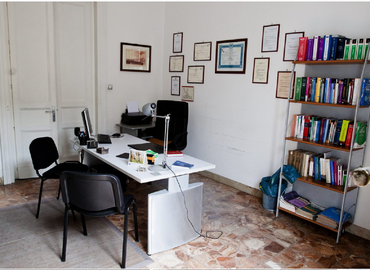
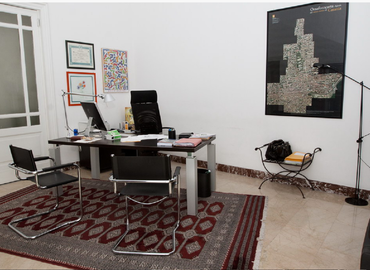
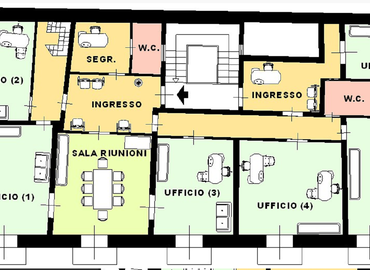
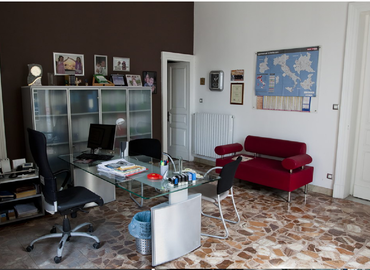
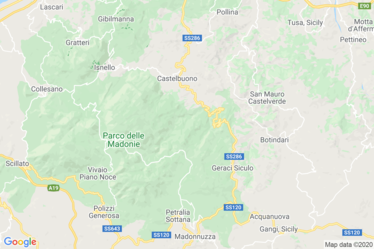
Sicily is slowly catching the wave of office trends. Serviced offices in Sicily become more and more common. Recent research shows that modern tenants are less interested in investing money in their offices. Flexibility and services reach the top of the list among other factors valued by potential renters. As a result, companies are interested in renting fully-furnished, serviced offices in Sicily. Offices in Sicily are situated in the larger cities of the region with the majority occupying Palermo. The city plays a key role in the region’s economy, being the seat of a significant number of tech companies spread across town. Furnished offices in Sicily and especially Palermo are extremely popular among recent graduates, who wish to establish their own business. Thousands of bright-minded and skillful people are looking for a space to work on their ideas. The average price for an office in the capital of Sicily starts from EUR140 per workstation and both increase and decrease depending on the location, furniture and amenities included in the rent. A variety of business centres can accommodate small teams of up to 10 people and larger companies with 100+ employees.