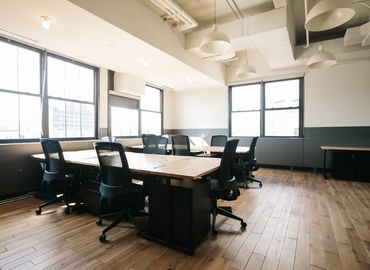
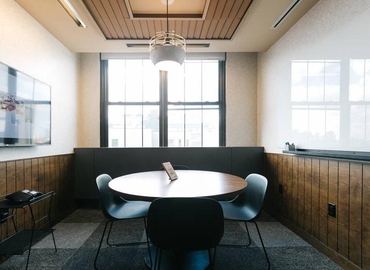
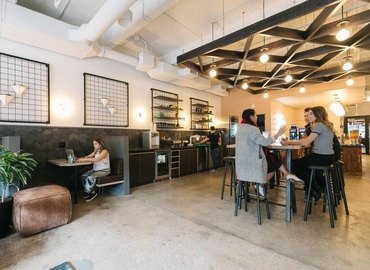
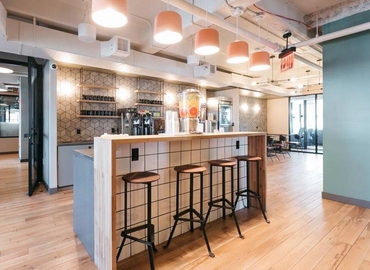


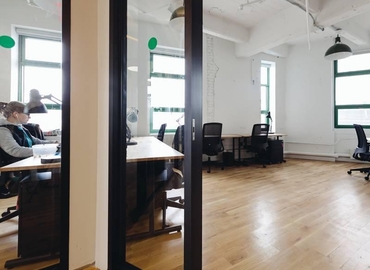

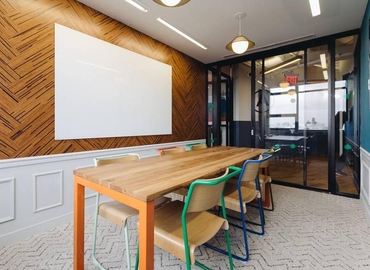
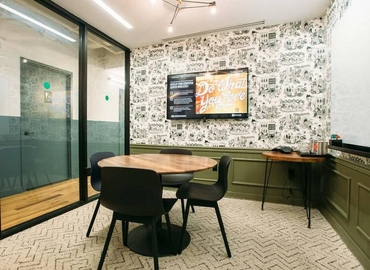







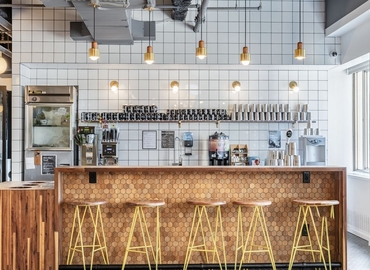
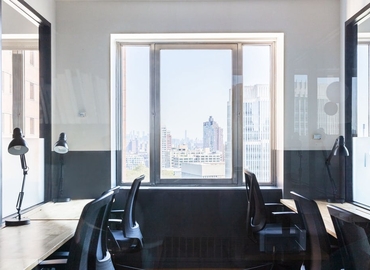
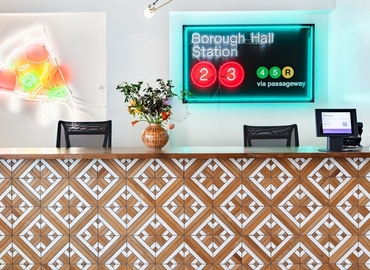
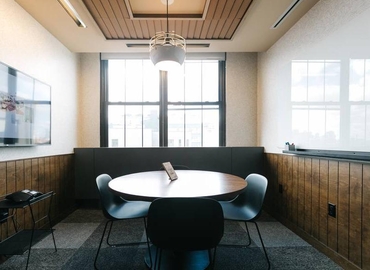
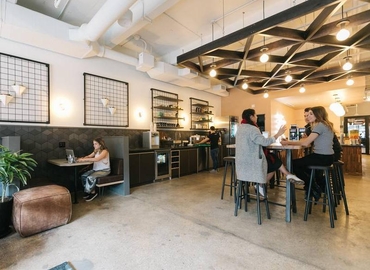
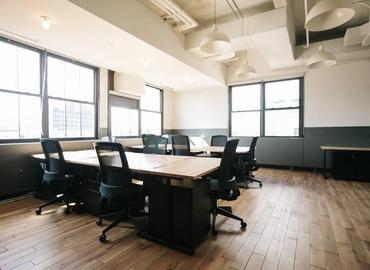
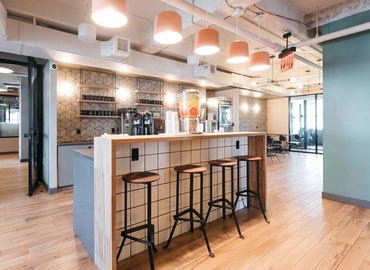

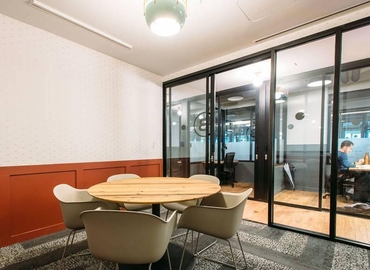



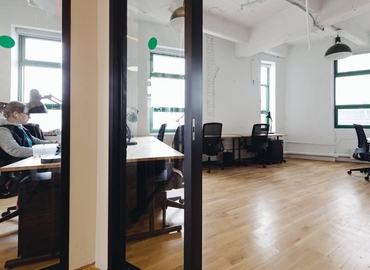

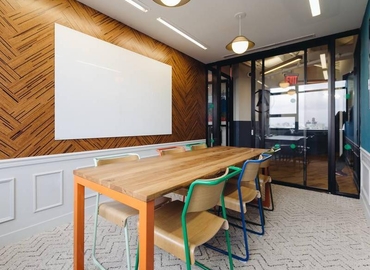
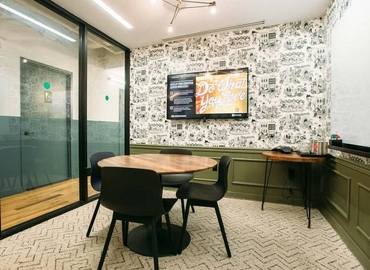



Service providers, suppliers, the hotel industry, the office market and the entertainment scene benefit from the influx of people that was recorded during the past years. Brooklyn’s commercial property with its flexible rental options, which invite you to use offices, meeting rooms, business lounges and coworking spaces on an hourly and daily basis, recorded particularly high demand in 2019. Today, the traditional manufacturing borough has shifted its focus to the service-based economy and attracts investors, companies, founders and well-known corporations more than ever. Top-class business hotels, event centers, business centers and expanding commercial spaces are an integral part of the local economy. The commercial real estate in New York Brooklyn can cater to any kind of demand. Do you need a meeting room late at night for an urgent meeting? Want to work on an important deadline all night long? Or are you looking for a like-minded company to spend your coffee breaks with? New York Brooklyn locations keep all of these options open for you.